If your WiFi only works well in one room, drops out during video calls, or slows down the moment everyone gets online, the issue is usually not your internet plan alone. In many Melbourne homes, poor WiFi is caused by router placement, double-brick walls, interference, outdated equipment, or a network that was never properly designed for the size of the property.

Below is a revised, search-focused version of the article that keeps the topic informational while also matching stronger commercial intent. It speaks to homeowners who want DIY fixes and people looking for local WiFi setup Melbournemesh WiFi setup Melbournehome network setup Melbourne, or internet and WiFi installation support from a Melbourne technician.

Quick answer: how do you get better WiFi throughout your house?

The fastest way to improve home WiFi is to move your router to a more central, open position, update old hardware, switch to the best available WiFi band, and reduce interference from nearby networks and electronics. If you still have dead zones, the best long-term fix is usually either a mesh WiFi setup, a professionally placed wireless access point as part of a home networking solution, or data cabling for key rooms and devices.

Best quick wins

  • Place the modem/router off the floor and away from cupboards.
  • Keep it near the centre of the house, not at one far end.
  • Upgrade older modem/router hardware if it is several years old.
  • Use 5 GHz or WiFi 6 where supported for speed, and 2.4 GHz where extra range is needed.
  • Choose mesh WiFi for larger, double-storey, or double-brick homes.

Why is your WiFi weak in some parts of the house?

Most weak WiFi issues come down to signal loss, interference, or bad network design. Even a fast NBN plan can feel slow if the wireless signal has to pass through thick walls, kitchen appliances, mirrors, tiled bathrooms, or multiple storeys before it reaches your device.

Common causes of bad WiFi coverage

  • Router placement: tucked in a corner, cabinet, garage, or behind the TV.
  • Construction materials: double-brick, concrete, metal framing, foil insulation, and stone surfaces weaken signal strength.
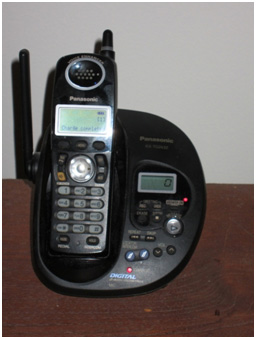
  • Interference: neighbouring WiFi networks, microwaves, cordless phones, baby monitors, and Bluetooth-heavy areas.
  • Outdated hardware: older routers often struggle with newer devices, streaming, gaming, and smart-home loads.
  • Too many connected devices: phones, tablets, TVs, cameras, speakers, laptops, and smart home gear all compete for airtime.
  • Poor setup: wrong channel selection, weak security settings, mismatched SSIDs, or low-quality extenders.

10 practical ways to get better WiFi throughout your house

1) Move the router to a better location

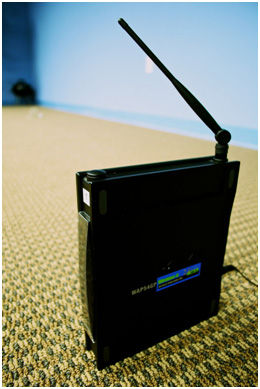
This is still one of the biggest fixes. Put the router in an open, elevated position rather than on the floor, inside a cabinet, or at the front corner of the property. In many houses, moving the router just a few metres can make a major difference.

2) Place the router closer to the centre of the home

WiFi radiates outward. If the router sits at one end of the house, the signal has to work much harder to reach bedrooms, a home office, an outdoor entertaining area, or an upstairs retreat. A more central location usually creates better whole-home coverage.

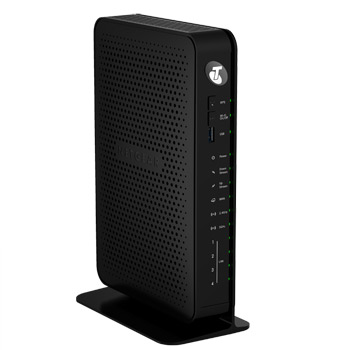
3) Update old modem/router hardware

If your router is five years old or older, it may be the weakest part of the setup. Modern routers and mesh systems handle more devices, deliver better roaming, and support faster standards such as WiFi 6. This is especially important for homes that stream 4K video, use smart TVs, run security cameras, or rely on stable work-from-home connections.

4) Separate speed issues from coverage issues

Not every slow connection is a WiFi problem. Sometimes the signal is strong but the internet service is congested, the NBN equipment is faulty, or one device is saturating the network. Test in the same room as the router first. If it is fast nearby but slow at the other end of the house, the issue is usually coverage. If it is slow everywhere, the issue may be the internet service, modem, or network settings.

5) Use the right band for the job

2.4 GHz usually travels farther but is slower and more crowded. 5 GHz is generally faster but does not travel as well through walls. Newer systems may also support newer standards and smarter band steering. A proper setup balances speed and range so your devices use the right connection automatically.

6) Reduce wireless interference

If your network drops out or slows down at certain times of day, interference may be the culprit. Apartment blocks, townhouse developments, and dense Melbourne suburbs often have many overlapping networks. Choosing cleaner channels and adjusting the layout of the network can dramatically improve stability.

7) Add mesh WiFi for larger homes

mesh WiFi setup Melbourne solution is usually the best option for larger homes, double-storey properties, renovations, and households with lots of devices. Instead of relying on one router, mesh uses multiple nodes to create one seamless network across the property. That means stronger signal, fewer dead zones, and better roaming from room to room.

8) Avoid cheap extenders as a default fix

A WiFi range extender can help in some situations, but it is not always the best long-term answer. Many extenders reduce speed, create a second network, or introduce instability if they are placed badly. In small homes they can be useful. In larger homes, mesh WiFi or a hardwired access point is usually a better result.

9) Hardwire high-demand devices where possible

If you want the most stable connection for a home office, gaming setup, smart TV, or desktop computer, use Ethernet cabling where practical. A hybrid network often performs best: wired connections for fixed devices, strong WiFi for mobiles and tablets, and carefully placed access points for full coverage.

10) Secure and optimise the network properly

Good performance is not just about signal strength. Proper setup includes secure passwords, up-to-date firmware, quality-of-service settings where appropriate, guest WiFi, and sensible device distribution across the network. A professionally configured home network setup Melbourne service can often fix problems that simple DIY resets do not solve.

Mesh WiFi vs range extender vs wireless access point

Option Best for Main benefit Main drawback
Range extender Small problem areas Low upfront cost Can reduce speed and reliability
Mesh WiFi Most family homes and double-storey houses Strong seamless coverage across the property Higher cost than a simple extender
Wireless access point Homes and offices with cabling available Excellent performance and stability May require cabling and professional installation

If you are unsure which solution fits your property, a local WiFi technician in Melbourne can save time and money. Buying the wrong hardware usually costs more than doing the job properly once.

Why Melbourne homes often have WiFi coverage issues

Melbourne homes vary a lot. Some are compact apartments with heavy neighbouring network congestion. Others are older double-brick homes, terrace houses, weatherboard properties with extensions, or large multi-room homes where the NBN connection lands in the least useful spot for WiFi coverage. These layouts often create dead zones in upstairs bedrooms, back studies, garages, and outdoor areas.

That is why local intent matters. People searching for WiFi installation Melbourne, WiFi troubleshooting Melbourne, internet setup Melbourne, or home network repairs Melbourne usually want advice tailored to the sort of building they actually live in. Many also need help with NBN installation in Melbourne or internet installation when the connection point and router location do not suit the home layout.

Common local scenarios we see

  • Double-brick homes where the study and back bedrooms barely get signal.
  • Townhouses with poor upstairs coverage.
  • Apartments affected by channel congestion from neighbouring networks.
  • Home offices with unstable Zoom or Teams calls.
  • Streaming and gaming issues in family rooms far from the router.
  • Smart devices, cameras, and doorbells dropping offline.

When should you call a WiFi technician in Melbourne?

You should get professional help if:

  • WiFi still drops out after basic troubleshooting.
  • You have multiple dead zones.
  • Your home is double-storey, large, or difficult to wire.
  • You are working from home and need reliability.
  • You are unsure whether you need mesh WiFi, an extender, or cabling.
  • You want help setting up smart TVs, cameras, printers, laptops, and home office devices on one secure network.

Need help fixing slow WiFi or dead zones?

Computer Cures provides WiFi setup and troubleshooting in Melbourne, including mesh WiFi installation, home network setup, internet installation, NBN setup, and data cabling. If your signal is weak, patchy, or unreliable, a local technician can assess the layout of your property and recommend the right fix.

These are the most relevant service pages to interlink from this article and related WiFi content across the site:

Frequently asked questions

For a large house, mesh WiFi or professionally placed access points are usually the best options. A single basic router rarely delivers strong, consistent coverage everywhere.

They can help with small dead zones, but they are often not the best long-term solution. Poorly placed extenders can create slower speeds and unstable connections.
That usually means the signal is being blocked by distance, wall materials, appliances, or poor router placement. It is a classic coverage problem rather than a broadband plan problem.
Yes. In many cases the provider is not the real issue. A better router position, improved configuration, mesh WiFi, or data cabling can make a major difference without changing providers.
Not always, but many do. Double-brick construction weakens wireless signal more than lighter internal walls, so larger or older homes often benefit from mesh WiFi or access points.

Final takeaway

If you want better WiFi throughout your house, start with router placement, basic optimisation, and updated hardware. But if you still have dead zones, patchy video calls, buffering TVs, or unreliable smart devices, the smarter fix is usually a properly designed network. For many Melbourne homes, that means mesh WiFi, access points as part of home networking, or a hybrid wired-and-wireless setup supported by network cabling rather than another quick patch.